
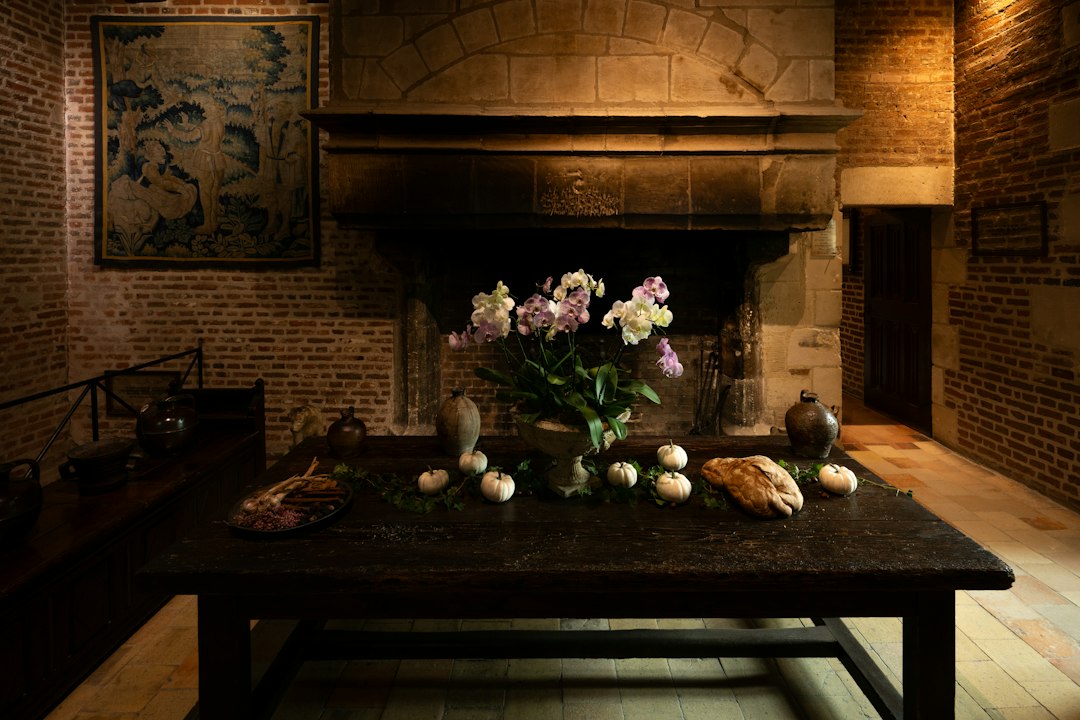
Chimney Care for the Older Houses of Stanton
Find out what the old chimney is, then give it what it needs.
Sweeps and inspections head the cards. After them come the caps, crowns, mortar joints, dampers and liners that decades of fires and weather wear out. Open any card to see how we go about that job in an older house.
Chimney Sweep
Soot and creosote cleared from flues that have served the same hearth for decades, with the room protected before any brush moves.
Chimney Inspection
A reading of the whole chimney from firebox to cap, at the level that suits the age and use of the fireplace.
Chimney Repair
Repairs to brick, mortar, tile and metal on chimneys old enough to have been patched more than once already.
Fireplace Inspection
A room-side check of firebox, throat, damper and hearth on fireplaces built long before modern clearance rules.
Fireplace Repair
Firebox, hearth and throat repairs that keep an original fireplace in service instead of tearing it out.
Chimney Level 2 Inspection
The camera inspection: the flue interior shown on screen foot by foot, plus the parts of the chimney hidden behind finishes.
Chimney Cap Installation
New caps for flues that were left open to the sky, measured and fastened to suit old clay tile or bare brick.
Chimney Flashing Repair
Leaks where shingles meet brick, fixed with stepped metal let into the mortar joints instead of one more layer of tar.
Chimney Masonry Repair
Repointing and brick replacement in mortar soft enough for old brick, so the repair does not damage what it joins.
Chimney Rebuilds
Partial or full rebuilding for stacks that lean, shed brick or have lost their mortar, kept true to the look of the house.
Fireplace Cleaning
Cleaning of the firebox, grate, doors and surround, with care for old tile, soft brick and original finishes.
Gas Fireplace Cleaning
Dust, webs and white film removed from gas burners, pilots and glass so the flame burns the way it was set up to.
Gas Fireplace Repair
Diagnosis and repair for gas fireplaces and log sets that have stopped lighting, drop out mid-burn or burn dirty.
Fireplace Remodel
Surround, mantel and hearth work for fireplaces that were altered badly or should suit the period of the house again.
Fireplace Inserts
Gas and wood inserts fitted to original masonry openings, each with a liner of its own so the old flue is spared the work.
Pellet Stove Repair
Repairs to pellet stoves and pellet inserts, covering the motors, igniter, sensors and venting that keep them burning.
Wood Stove Repair
Gaskets, firebrick, baffles, glass and stovepipe renewed on wood stoves, older cast-iron models among them.
Gas Logs
Gas log sets for wood fireplaces, chosen to fit the opening and installed only once the flue has been inspected.
Chimney Seismic Retrofit
Bracing, anchoring or lightening of unreinforced brick chimneys, which were built with no steel inside them.
Chimney Crown Repair
Sealing or recasting of the masonry top that sheds rain off the brickwork, where most old chimneys first let water in.
Dryer Vent Cleaning
Lint cleared from the whole exhaust run, including the long, bent ducts older houses ended up with when laundry moved indoors.
Chimney Liner Installation
Stainless liners for chimneys built with no lining at all, or with clay tile that has cracked, shifted or been outgrown.
Chimney Leak Repair
Water entry followed back to its true source on old chimneys, then stopped at that point instead of sealed over.
Chimney Waterproofing
A clear water repellent for old, absorbent brick, applied only when the chimney is in good enough repair to benefit.
Chimney Damper Repair
Seized, rusted or missing throat dampers freed, rebuilt or replaced, on fireplaces that may never have had a tight one.
Chimney Chase Cover
Custom metal tops for the framed chimney enclosures found on later mid-century houses and on additions to older ones.
When an older chimney has a date attached
An accepted offer, a listing, a change of tenant or a report full of code items each puts an old fireplace under scrutiny. These guides set out what Hatfield does in each case and what it costs.
Buying an older house: Level 2 first
The order to arrange things in once an offer is accepted, so the chimney report is in hand while there is still room to negotiate.
Listing agents: pre-list chimney reports
Where a chimney inspection sits in the run-up to a listing, and what it gives an agent to put in the file.
Rentals and HOAs: fireplaces at turnover
What to have checked on a fireplace between one tenant and the next, charged by the fireplace.
Older chimneys against today's code
NFPA 211 and the California code taken item by item, with the usual repair for each and our price where we publish one.
Home base in Stanton, older houses in every direction from it.
Every city on these cards has its own page: when its houses were built, what kind of fireplace they tend to have, and what the local weather asks of a chimney.
The Short Version
Stanton
Home base, and where each day begins
Older Houses
Pre-war, Craftsman, Spanish and mid-century
7:00 AM to 7:00 PM
Office hours, Monday through Sunday
Choose your city to read what its housing means for a chimney, from salt on Seal Beach caps to brick tract fireboxes in La Mirada.
Stanton
Our compact home-base city
Old brick in our home city gets sounded for cracks, because the fault that broke loose in 1933, the Newport-Inglewood, lies off to the southwest. Wood stays out of a Stanton firebox on any forecast No-Burn day, November into February.
La Mirada
Olive ranch turned postwar tracts
The hills north of La Mirada hide the Whittier Fault, reason enough for us to read every joint on an aging stack. A late spring day tends to open under marine cloud, and the warm dry summer after it shrinks old mortar.
Seal Beach
Coastal town astride a fault
Cracked masonry heads our checklist in Seal Beach, a town with the Newport-Inglewood fault passing through its area. Steel dampers and caps lose to salt air sooner or later, and a dry Santa Ana gust does sometimes get this far.
Artesia
Single-story ranch tract city
Rain comes mostly November through April, and it tests an aging crown, each mortar joint and the flashing. Under Rule 445, exemptions cover a home whose sole heat source is wood and one with no natural gas within 150 feet.
Farther Out
136 more places with a page of their own
The complete list sits on the areas page.
From your first note to a hearth you can light
Five stages, none of them hurried. Old masonry gives up its story slowly, and a careful look costs less than a wrong guess.
Tell Us About the House
Call or fill in the form. A few facts help: the decade the house dates from, the count of fireplaces, wood or gas, and whatever prompted you to get in touch.
We Suggest a Starting Point
From those facts we recommend a sweep, an inspection or a look at one particular problem, give the set price where there is one, and agree a day for the visit.
The Chimney Gets Read
On site we work out how the chimney was first built and what has been done to it since, from the firebox to the top of the stack, with a camera wherever the flue needs one.
You Hear It in Plain Words
Before we go you know what is sound, what is worn and what should stay unlit for now. Anything needing repair comes with a written price, set out item by item.
Repairs That Suit the Age
Work you approve is done in materials that agree with the age of the chimney, and we walk you through the finished job before the ladders come down.
Old chimneys understood first and repaired second.
Hatfield Chimney Sweep is a chimney and fireplace company in Stanton whose daily work is the older house: bungalows from before the war, Spanish revivals, and ranch tracts of the 1950s and 1960s.
Those houses came with fireplaces made to the habits of their day. Mortar was softer, many flues went up bare, and a damper was a plain iron plate. None of this makes a chimney unsafe by itself, yet it decides which brush, which mortar and which repair is right.
So we read the chimney first, and bring up its history only where that history alters the job. Sound original work is left in place. Whatever has failed is replaced with something that sits well beside the rest.
- Stanton
- Where the van sets out
- Read
- Every chimney, before any work
- Itemized
- Each repair priced apart
Safe Before Handsome
An original fireplace earns its keep only if it can be lit without risk. Every job opens by settling that question, and when the answer is not yet, we say so in plain terms.
Materials That Belong
Soft brick gets soft mortar, period tile gets gentle cleaners and old clay flues get brushes that will not chip them. The repair bends to the chimney, never the other way around.
Only What Is Needed
Old is not the same as failing. Where a part is worn but still doing its work we tell you to leave it and watch it, and the price covers only what the chimney needs now.
History Where It Counts
We explain how and when a chimney was built whenever that changes the job in front of us. The rest of the time we skip the lecture and pick up the tools.
The fireplace came with the house. Let us keep it working.
Start With a Few Details
Your name, a number and the job you have in mind. We phone back with questions about the house.
Age, liners, mortar and money
The questions owners around Stanton put to us before a first visit, answered as plainly as we can.
What makes an older chimney different to work on?
Mostly what was left out. Many chimneys put up before the Second World War have no flue lining, no steel and no cap, and their brick sits in soft lime mortar. None of that makes them unusable. It does mean the first visit goes on finding out how yours was built, so that the work afterward suits it.
My house dates from the 1920s. Can I light the fireplace?
Perhaps, though nobody can tell you from the living room. Long use, past tremors and earlier patching all leave marks inside a flue that only a camera picks up. Hold off on fires until an inspection has been done, then decide with the findings in front of you.
Which inspection suits an old house?
If you have just bought the place, changed what burns in the fireplace, or hold no record of any earlier inspection, book the camera visit that NFPA 211 calls Level 2. It costs $370. Once a chimney is known and nothing about it changes, the yearly visual check at $160 keeps track of it.
Will anyone have to cut into my walls?
Hardly ever. Taking out plaster or brick to get at a concealed section is the third and deepest inspection level. We propose it only when the camera or the attic raises a specific worry that nothing else can settle, and you would see the evidence and agree before anything is touched.
Why not repoint old brick with ordinary bagged mortar?
Bagged modern mortar cures harder than brick fired a hundred years ago. When the wall takes on water or warms up, something has to give, and the brick face loses. We blend new mortar to behave like the old, so the joint stays the weaker part, as the first bricklayers meant it to be.
How are masonry repairs priced?
Only once we have stood on the roof. Stacks of equal height can differ completely in how many joints have failed and whether the brick deserves keeping. You then receive a written figure broken into separate items, and you choose which of them go ahead.
Which jobs have a set price?
Sweeping starts from $395. The visual inspection costs $160 and the camera inspection $370. Chimney leak repair is $525 to $3,150, and a gas insert in an existing fireplace $2,650 to $5,250. Chimney caps are quoted after we measure. Masonry, liners and rebuilds get their own figure per chimney.
Are there days when wood fires are not allowed?
Yes, in winter. Rule 445 of the South Coast AQMD, the air district that takes in Orange County, lets the agency forbid wood burning on days when pollution is forecast to run high. The season lasts from November to the close of February, so look up the district's daily notice before you strike a match. Gas appliances fall outside that rule.
One chimney, two fireplaces. Do they share a flue?
Normally they do not. Builders tended to give every fireplace its own passage inside a shared stack, and the old furnace or water heater often has one as well. Each passage is swept, scanned and judged separately, so mention the full count when you get in touch and we plan the visit around all of them.
Does a wood-only fireplace call for a carbon monoxide alarm?
It does. Wood fires give off carbon monoxide like any other flame, and state law has for years expected an alarm in a dwelling that has a fireplace, a fuel-fired appliance or a garage attached to it. Fit one outside the bedrooms and one on every floor. If an alarm sounds, believe it: go outdoors and ring 911.
There is a gas smell at the old log lighter. What now?
Light nothing and leave the switches alone. Walk everybody out of the building, and when you are well clear of it ring 911 or your gas provider's leak line. Our part comes later: once the supply has been declared safe, we can find which fitting, valve or pipe at the fireplace was at fault.
Which cities does Hatfield Chimney Sweep travel to?
Stanton is home ground, and La Mirada, Seal Beach and Artesia see us regularly. The areas page lists every other city on our rounds, and each one opens a page describing the houses and chimneys we tend to find there.
Is your question about one particular house? Put it to us directly.
Call (657) 213-7213